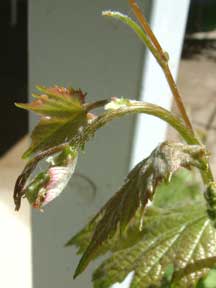
Change is constant and sometimes overwhelming, but if you focus on little things, occasionally you can have a positive impact.
An international corporation has purchased two of our local shopping malls and for the past 5 years, or more, they have been working on a project to create a shopping "Village" with a network of walkways and mixed use areas that would connect the two remodeled malls. Many long-time residents of our suburb were up-in-arms. The increase of traffic and people was not welcome.
I went to the planning meetings that were open to the public and I must give credit to the local city counsel office and the multi-national corporation for giving the local residents an opportunity to speak.
From the very first meeting I realized this change was coming. Whether I liked it or not, a shopping "Village" was going to be built. What could I do to make this change more ecopositive? I've seen similar projects by this owner in other areas of the city and the world. They usually are well laid out with beautiful landscaping. But one thing stood out to me, the landscaping was sterile; there were no native plants.
At that first meeting comment boards were put up around the auditorium with ideas pre-printed on them. We were all given stickers to express our priorities for the items that were important to us, green for positive, red for negative. We were encouraged to add ideas as well. I walked up to the comment board with the heading "Landscaping" and I wrote "Native plants that will be drought tolerant and provide habitat."
As I wrote, someone beside me said, "Yeah, why not?" If there was going to be new landscaping, why not restore habitat for birds and butterflies with native plants. I watched the green stickers of support multiply. This was an ecopositive suggestion with no downside.
I stayed on the mailing list and any time opinions were solicited I continued my mantra, "Native plants in landscaping."
The project has been through many transformations and slowed with the economic situation, but yesterday I saw a full page add in a local paper titled "Sustainability at the The Village, Coming Soon!" Change is moving forward. There were three bullet points on the page. The third one started "Native landscaping..."
There are little victories in making a positive difference. When it is an ecopositive difference all living things benefit.
Showing posts with label sustainability. Show all posts
Thursday, October 13, 2011
Wednesday, September 01, 2010
Repurposing Lumber
This summer we've been taking on some large re-thinking projects:
We also applied an old mindset to a new addition. We rebuilt a stairway on the side of our house with repurposed lumber. The 2x4s that we used were all leftovers from someone's building project that hadn't been used and had been set aside. Instead of adding this perfectly good lumber to a landfill, we brought home.
Yes, there were some rough edges here and there that couldn't be used, but this lumber was seasoned (thoroughly dried) making it less likely to warp or twist. We even were able to scrape down the old hand railing and reuse it. Primed and painted our new staircase should last for years.
Sustainable thinking applies to small things like reuseable shopping bags as well as big things like using wood that has already been harvested. Lumber is a precious resource. Wood shouldn't be wasted to end up in landfills and trees shouldn't be cut down without good reason.
- refurbishing our dining room chairs instead of buying new
- giving the clothes dryer the day off
- employing integrated pest management
- celebrating the Los Angeles River
We also applied an old mindset to a new addition. We rebuilt a stairway on the side of our house with repurposed lumber. The 2x4s that we used were all leftovers from someone's building project that hadn't been used and had been set aside. Instead of adding this perfectly good lumber to a landfill, we brought home.
Yes, there were some rough edges here and there that couldn't be used, but this lumber was seasoned (thoroughly dried) making it less likely to warp or twist. We even were able to scrape down the old hand railing and reuse it. Primed and painted our new staircase should last for years.
Sustainable thinking applies to small things like reuseable shopping bags as well as big things like using wood that has already been harvested. Lumber is a precious resource. Wood shouldn't be wasted to end up in landfills and trees shouldn't be cut down without good reason.
Saturday, July 17, 2010
Recycling Furniture with Paint
I gave new life to my old dining room chairs with a real recycling project–redoing the old upholstery.
Another idea is to paint older furniture and give it a new identity. Check out some ideas on what you can do with paint to breathe new life into your beloved furniture at The Decorative Paintbrush. I think you will find Mary's work inspirational.
Labels:
Animalbytes,
recycling furniture,
sustainability
Monday, April 12, 2010
Snail-Free Zone
Brown snails are an invasive non-native species in California. Everyone complains about them in their gardens. They poison them, step on them, even salt them. They were imported here as a food species, but they escaped and have been a problem in local gardens ever since.They are a problem because most people water too much and grow non-native plants that snails have a taste for. When you try to grow an English garden in a Mediterranean climate you are creating a smorgasbord for brown snails.

When we first moved into our house the entire front yard was African daisies. In the spring and summer the slope was a beautiful array of purple and white. But, the African daisies were filled with snails and sow bugs. At night the snails would venture out from the daisies and devour everything else in the yard. The first couple of times I tried to grow vegetables, everything was eaten by snails.
We tried trapping them in beer, poisoning them with bait, even copper-covered stripping around plants we wanted to protect. The bait was probably the worst part because it was bad for other species as well. Of course the poison bait never worked completely and the subsequent generations seemed to tolerate it more and more, until it was useless.
Finally, I got disgusted. The hillside was eroding under the tangled vines. An area of African daisies died back, because of the snails, and I tore them out. In that small area we planted some native plants. We mulched these plants with bark and an amazing thing happened–the snails left that area and the biodiversity began to increase.
We stopped using poisonous bait and an alligator lizard moved in and started eating the snails.
Now our native Douglas iris are beautiful, drought tolerant, homes for a variety of native insects, they hold the soil, and there are no snails.
My Gardening with Intent action this week is to decide which section of African daisy I am removing next and what native species I will use to replant.
Monday, April 05, 2010
What's In a Pot?
One of my first intentions in my garden is to make more use of the area I have for growing my own organic produce. Green Action #4

Committing to growing my own vegetables means getting plants in the ground.
I've had some help with that because I asked for a tomato plant as a spring-time gift.
My sister found a cherry tomato in this biodegradable pot. This pot made of recycled paper fibers helps support a healthy transplant of the seedling and reduces the need for pots made of plastic.

You can also look for pots that are made of recyclable plastic. One of our local nurseries will take these pots back and pay you a few cents for them.

Growing my own vegetables is only as sustainable as I can make the whole process.

Committing to growing my own vegetables means getting plants in the ground.
I've had some help with that because I asked for a tomato plant as a spring-time gift.
My sister found a cherry tomato in this biodegradable pot. This pot made of recycled paper fibers helps support a healthy transplant of the seedling and reduces the need for pots made of plastic.

You can also look for pots that are made of recyclable plastic. One of our local nurseries will take these pots back and pay you a few cents for them.

Growing my own vegetables is only as sustainable as I can make the whole process.
Saturday, April 03, 2010
Green Action #4 - Gardening with Intent
I've come to realize that my garden, the planted area around my home, is more than just a place for grass and flowers. This month I'm focusing on the natural cycles going on in the different areas of my yard – I'm gardening with specific intent.So my Green Actions will focus on a couple of themes:
- Creating natural habitat
- Producing food
- Sequestering carbon
- Supporting natural cycles
Tuesday, March 30, 2010
The End of Spring, But a Sustainable Future
How quickly a season ends.
The ornamental plum that burst into bloom has quickly progressed to add leaves.

And now to be devoid of flowers.
Will the flowers of ideas, pollinated with effort and intention bear fruits of change?
During this month I have tried to change daily habits toward more sustainable behaviors – Green Action #3.
The ornamental plum that burst into bloom has quickly progressed to add leaves.

And now to be devoid of flowers.
Will the flowers of ideas, pollinated with effort and intention bear fruits of change?During this month I have tried to change daily habits toward more sustainable behaviors – Green Action #3.
- continuing Veggie Tuesdays and Thursdays
- reducing cleaning chemicals
- replacing water thirsty ornamental plants with native plants that provide food and shelter for native species
- checking the labeling on soaps for ingredients that might appear sustainable but are damaging to other ecosystems
- conserving water
- repurposing and recycling furnishings like the busy hummingbird mothers
Friday, March 26, 2010
Repurposing - Building a Nest
This month as I've tried to take my Green Action #3 by living sustainably everyday, I've also been watching the Allen's hummingbirds building their nests.
These tiny industrious birds are models of sustainable living. When the female builds her nest she gathers a variety of natural materials: new and old spider web, plant fiber and animal hair, feathers and twigs, grasses and bark. She is reusing what others have discarded.

She also frequently recycles materials from previous nests.
This fuzzy tuft of debris is a nest built last summer that was destroyed by winds. Despite winter rains, the basic building materials, fibers and organic matter, are still attached to the branch. One of the females in the yard, Pop, has been building a new nest. She has been actively reclaiming these materials.
The actions of these creative girls inspired me to refurbish my own nest. I've decided to reupholster my dining room chairs. If the hummingbirds can do it, so can I. The basic structure of my chairs are sturdy oak. There is not need to waste the resources that a tree has already provided. I'm working on this new project a little bit each day just like the hummingbirds.
This Allen's hummingbird nest started with a base of materials attached to a branch and a fork created by two leaves.

Over the course of a few days, Pop built up a cup-shaped nest about the size of 1/2 cup.

But I've noticed a possible problem. If you compare Pop's nest (above) to the nest DR has built (at the very top and below), you might see it too. Pop has found a source for polyfiber stuffing. Probably a neighbor's patio furniture cushion. She used some of these fibers last year in the nest that failed. The white man-made fibers don't compress like natural fibers. They make a looser, fluffy nest that lacks structural integrity. A few of these fibers might be alright, but I am concerned that this nest might not survive long enough for chicks to mature. It also might not breath like natural fibers or stretch like spider silk.
If you look closely at DR's nest, you can see a strip of plastic that she has used on the outside of her nest as camouflage. Our synthetic materials are invading animal homes as well.
Reusing materials helps save resources. But we all need to increase our awareness of how synthetic materials are affecting the world around us.
These tiny industrious birds are models of sustainable living. When the female builds her nest she gathers a variety of natural materials: new and old spider web, plant fiber and animal hair, feathers and twigs, grasses and bark. She is reusing what others have discarded.

She also frequently recycles materials from previous nests.
This fuzzy tuft of debris is a nest built last summer that was destroyed by winds. Despite winter rains, the basic building materials, fibers and organic matter, are still attached to the branch. One of the females in the yard, Pop, has been building a new nest. She has been actively reclaiming these materials.The actions of these creative girls inspired me to refurbish my own nest. I've decided to reupholster my dining room chairs. If the hummingbirds can do it, so can I. The basic structure of my chairs are sturdy oak. There is not need to waste the resources that a tree has already provided. I'm working on this new project a little bit each day just like the hummingbirds.
This Allen's hummingbird nest started with a base of materials attached to a branch and a fork created by two leaves.

Over the course of a few days, Pop built up a cup-shaped nest about the size of 1/2 cup.

But I've noticed a possible problem. If you compare Pop's nest (above) to the nest DR has built (at the very top and below), you might see it too. Pop has found a source for polyfiber stuffing. Probably a neighbor's patio furniture cushion. She used some of these fibers last year in the nest that failed. The white man-made fibers don't compress like natural fibers. They make a looser, fluffy nest that lacks structural integrity. A few of these fibers might be alright, but I am concerned that this nest might not survive long enough for chicks to mature. It also might not breath like natural fibers or stretch like spider silk.
If you look closely at DR's nest, you can see a strip of plastic that she has used on the outside of her nest as camouflage. Our synthetic materials are invading animal homes as well.Reusing materials helps save resources. But we all need to increase our awareness of how synthetic materials are affecting the world around us.
Thursday, March 18, 2010
CA Slender Salamanders and Conserving Water
The yard is filled with life and each living thing is offering wisdom for sustainable living.
As I’ve m
entioned before, the return of winter rains brought out our California slender salamander population. But this was the first time that we have actually found a nest of youngsters.
When you think salamander, the first thing that probably comes to mind is water. But the slender salamander belongs to a family known as lungless salamanders. They have no gills and breath entirely through their skin. Yes, they depend on moisture to maintain their dermal respiration, but they do not live in water. Instead they frequent moist places and during the dry summer and fall they retreat underground.
Their offspring are born alive. If you were taught in school that the trait of live birth (viviparous) was a hallmark of mammals, you were mislead. Live birth has evolved numerous times in various forms throughout the animal world, from fish to amphibians, even lizards and snakes. Species have adapted toward live birth where it offered an advantage. For the lungless salamanders it provided the ability to reproduce away from a water source, giving them a survival edge and the opportunity to access resources beyond the range of other amphibians.
The salamander nest was a cocoon of adobe clay, much like the mud cocoon of an earth worm or a terrestrial grub.
The mud structure was secured to a block wall and sandwiched against one of the sand bags we had put down to stop mud flow from reaching the house.
The cocoon appeared to have an opening through which the youngsters could exit and return. Inside this dime-sized cradle were four young slender salamanders.
You can see that the smallest offspring was about an inch long.
Water is vital to these creatures, yet they have found a way to survive in a landscape that is dry over 90% of the time.
We have been fortunate this year that our rain level has been closer to normal. Storm. But it doesn’t mean water is in abundance. The human population in Southern California continues to grow. More people are drawing on the same limited resource.
Every ounce of water that goes down the drain is water that came from some other living things’ habitat. When you see water being wasted, think of the salamanders and turn it off.
Here are the three water conservation actions we are taking:
As I’ve m
entioned before, the return of winter rains brought out our California slender salamander population. But this was the first time that we have actually found a nest of youngsters.When you think salamander, the first thing that probably comes to mind is water. But the slender salamander belongs to a family known as lungless salamanders. They have no gills and breath entirely through their skin. Yes, they depend on moisture to maintain their dermal respiration, but they do not live in water. Instead they frequent moist places and during the dry summer and fall they retreat underground.
Their offspring are born alive. If you were taught in school that the trait of live birth (viviparous) was a hallmark of mammals, you were mislead. Live birth has evolved numerous times in various forms throughout the animal world, from fish to amphibians, even lizards and snakes. Species have adapted toward live birth where it offered an advantage. For the lungless salamanders it provided the ability to reproduce away from a water source, giving them a survival edge and the opportunity to access resources beyond the range of other amphibians.
The salamander nest was a cocoon of adobe clay, much like the mud cocoon of an earth worm or a terrestrial grub.The mud structure was secured to a block wall and sandwiched against one of the sand bags we had put down to stop mud flow from reaching the house.

The cocoon appeared to have an opening through which the youngsters could exit and return. Inside this dime-sized cradle were four young slender salamanders.
You can see that the smallest offspring was about an inch long.

Water is vital to these creatures, yet they have found a way to survive in a landscape that is dry over 90% of the time.
We have been fortunate this year that our rain level has been closer to normal. Storm. But it doesn’t mean water is in abundance. The human population in Southern California continues to grow. More people are drawing on the same limited resource.
Every ounce of water that goes down the drain is water that came from some other living things’ habitat. When you see water being wasted, think of the salamanders and turn it off.
Here are the three water conservation actions we are taking:
- replacing water hungry plants with native plants
- replacing old toilets and fixtures with low flow fixtures
- never leave the water running
Friday, March 12, 2010
The Dirty Story of Soap
It is a funny thing about soap, it is a dirty product with an environmentally dirty history. This month while I have been reevaluating the sustainability of the products I use everyday, soap has become a challenging topic.
Soap is not a “natural” product, it is a creation of civilized humans. You can’t grow it in your garden. You won’t find on a hillside. We probably associate cleanliness with civilization because making soap requires a complex processing of ingredients. And the primary ingredient is fat. Fat lubricates and aids in washing away dirt, bacteria or any other substance that is stuck where ever you don’t want it to be.
Over the course of human history the “fat” ingredient has changed, but to be successful it must be abundant and cheap. Typically that fat source has also been connected to energy production. For example, the Greeks and Romans used olive oil to make soap and to burn in lamps. Around the Mediterranean, forests and woodlands were cut down to cultivate olives. As the increase of production became limited, olive oil became more expensive. Medieval Europeans moved toward a fat that was more available for them, animal fat or tallow. Every grade-school student in California knows that the Spanish established their missions and ranchoes here to raise cattle. We gloss over the fact that these huge tracts of land produced cattle not for beef, but for their hides (leather) and their tallow (candles and fat for soap). Hides and tallow were shipped back to Spain at a sizable profit.
In the late 1700s, a new fat source became available because shipping technology had developed faster, larger ships. Whale blubber became the next cheap fat. Whale oil burned bright in the oil street lamps of the world’s developing cities and fueled the industrial revolution. After WW2, cheap abundant fat from blue whales was the main ingredient in mass-produced soaps. Major international corporations covered up the fact they were using whale oil. Most consumers didn’t know what they were washing their hands with the lives of the great whales.
Petroleum-based products became the next cheap and abundant fat and energy source. Chemical manipulation of fossil fuels created man-made "fats." All you have to do is look at the price you are paying to fill your car's gas tank to know that another resource had to be found.

Today most soaps have moved toward the latest cheap and abundant fat–plant oils. When I bought two bars of my favorite low cost “pure vegetable” soap, I thought I was buying an environmentally friendly product. No animals were tested. No animal fats were used. There are no synthetic petroleum-based chemicals. But, here is the problem: palm oil and soy oil.
Two plant crops are being raised around the world to mass produce the amount of plant oil fat that the growing human population wants to eat, burn and wash with. Yes, plant oils are more sustainable than some other fat sources, but remember back to the Greeks and Romans and how they changed natural ecosystems by replacing woodlands with olive orchards.
Palm oil plantations of the 21st century are huge areas of land carved out of Indonesian rainforests. Industrialized soybean farming in South America is plowing into the Amazonian forests. Such vast areas of the world’s tropical ecosystems are being farmed that the plants and animals that naturally live there are being threatened. To put a face on this natural crisis look to the orangutan. In some areas endangered orangutan populations have declined by 50-90% because of palm oil plantations that have replaced their forests. orangutans and palm oil plantations in Borneo
So look at the ingredients on your hand soap, shampoo, body lotions, cosmetics, even dish soap and laundry detergent. Reconsider products with:
Look for palm oil in your food too.
Green Action #1 Sustainable Food
Soap is not a “natural” product, it is a creation of civilized humans. You can’t grow it in your garden. You won’t find on a hillside. We probably associate cleanliness with civilization because making soap requires a complex processing of ingredients. And the primary ingredient is fat. Fat lubricates and aids in washing away dirt, bacteria or any other substance that is stuck where ever you don’t want it to be.
Over the course of human history the “fat” ingredient has changed, but to be successful it must be abundant and cheap. Typically that fat source has also been connected to energy production. For example, the Greeks and Romans used olive oil to make soap and to burn in lamps. Around the Mediterranean, forests and woodlands were cut down to cultivate olives. As the increase of production became limited, olive oil became more expensive. Medieval Europeans moved toward a fat that was more available for them, animal fat or tallow. Every grade-school student in California knows that the Spanish established their missions and ranchoes here to raise cattle. We gloss over the fact that these huge tracts of land produced cattle not for beef, but for their hides (leather) and their tallow (candles and fat for soap). Hides and tallow were shipped back to Spain at a sizable profit.
In the late 1700s, a new fat source became available because shipping technology had developed faster, larger ships. Whale blubber became the next cheap fat. Whale oil burned bright in the oil street lamps of the world’s developing cities and fueled the industrial revolution. After WW2, cheap abundant fat from blue whales was the main ingredient in mass-produced soaps. Major international corporations covered up the fact they were using whale oil. Most consumers didn’t know what they were washing their hands with the lives of the great whales.
Petroleum-based products became the next cheap and abundant fat and energy source. Chemical manipulation of fossil fuels created man-made "fats." All you have to do is look at the price you are paying to fill your car's gas tank to know that another resource had to be found.

Today most soaps have moved toward the latest cheap and abundant fat–plant oils. When I bought two bars of my favorite low cost “pure vegetable” soap, I thought I was buying an environmentally friendly product. No animals were tested. No animal fats were used. There are no synthetic petroleum-based chemicals. But, here is the problem: palm oil and soy oil.
Two plant crops are being raised around the world to mass produce the amount of plant oil fat that the growing human population wants to eat, burn and wash with. Yes, plant oils are more sustainable than some other fat sources, but remember back to the Greeks and Romans and how they changed natural ecosystems by replacing woodlands with olive orchards.
Palm oil plantations of the 21st century are huge areas of land carved out of Indonesian rainforests. Industrialized soybean farming in South America is plowing into the Amazonian forests. Such vast areas of the world’s tropical ecosystems are being farmed that the plants and animals that naturally live there are being threatened. To put a face on this natural crisis look to the orangutan. In some areas endangered orangutan populations have declined by 50-90% because of palm oil plantations that have replaced their forests. orangutans and palm oil plantations in Borneo
So look at the ingredients on your hand soap, shampoo, body lotions, cosmetics, even dish soap and laundry detergent. Reconsider products with:
- palm oil
- sodium palmate
- sodium palm kernelate
Look for palm oil in your food too.
Green Action #1 Sustainable Food
Labels:
Animalbytes,
environmental awareness,
green soap,
palm oil,
soap,
sustainability
Friday, March 05, 2010
Green Cleaning Products
I love it when technology actually gives us positive choices for the environment.I received an e-cloth as a gift over the holidays. The UK-produced glass-cleaning cloth claims to clean glass surfaces using only water and IT DOES!

I was skeptical, but the fine fibers of the cloth pick up grease and dirt. Even the toothpaste spatters on the bathroom mirror were removed without leaving a smear. When the cloth gets dirty, you wash it and it is ready to use again.
No more chemical glass cleaners and no need for paper towels. Yes, the cloth is made from a petroleum fabric, polyester, but it is a multi-use item with a long life. It is a good trade-off.
You can find out more about E-cloth products at their website www.ecloth.com.
Tuesday, March 02, 2010
Everyday Sustainability - Green Action #3
How can I change my everyday behavior to live a more sustainable life?
In January I focused on eating sustainably - Green Action #1. Sometimes I slip up on my Veggie Tuesdays and Thursdays, but on the whole I have found that I have reduced my consumption of meat products. We've moved toward simpler ingredients and locally grown produce.

In February, my Green Action #2 was to increase my understanding of our local biodiversity. I participated in the Great Backyard Bird Count and documented bird species through Project FeederWatch and E-Bird. Yesterday, hummingbird A laid her first egg of the season and it was recorded via NestWatch. (the first baby hum of 2010)
Over the last two days I’ve been researching socially responsible and environmentally responsible investment mutual funds. It has made me realize that there is a great deal of confusion about products and producers and what is actually environmentally sustainable.
So for March, my Green Action #3 is to look at what I buy and use as a consumer. How can I make better choices regarding what I purchase?
If you have found a product or a company that helps you to live greener and cleaner, drop me a line at 4animalbytes@gmail.com. Changing our resource-hungry ways can be difficult. We all need to share our successes.
In January I focused on eating sustainably - Green Action #1. Sometimes I slip up on my Veggie Tuesdays and Thursdays, but on the whole I have found that I have reduced my consumption of meat products. We've moved toward simpler ingredients and locally grown produce.

In February, my Green Action #2 was to increase my understanding of our local biodiversity. I participated in the Great Backyard Bird Count and documented bird species through Project FeederWatch and E-Bird. Yesterday, hummingbird A laid her first egg of the season and it was recorded via NestWatch. (the first baby hum of 2010)
Over the last two days I’ve been researching socially responsible and environmentally responsible investment mutual funds. It has made me realize that there is a great deal of confusion about products and producers and what is actually environmentally sustainable.
So for March, my Green Action #3 is to look at what I buy and use as a consumer. How can I make better choices regarding what I purchase?
If you have found a product or a company that helps you to live greener and cleaner, drop me a line at 4animalbytes@gmail.com. Changing our resource-hungry ways can be difficult. We all need to share our successes.
Tuesday, February 09, 2010
Gray Wolves - A Conservation Issue
Gray wolves are an important part of the biodiversity across North America, but their legal status as a species (endangered, threatened, hunted) currently varies from state to state. Some people revere wolves, others demonize them. As of January 2010 a variety of legal actions and efforts to reinstate federal protection are at the center of financial drives and activist letter writing on both sides of the “wolf issue.”Someone just asked me, “ What do you think about this?”
Unfortunately, wolves are the perfect example of how appealing to human emotions is the worst way to address conservation problems. We humans are hard pressed to change our beliefs or our practices when they are deeply invested with emotions.
Wolves are neither angels of the forest nor bloodthirsty devils. They are top predators with an important role to play in balancing ecosystems. Science has demonstrated time and time again that healthy wolf populations contribute to healthy stable populations of large herbivores that are also hunted by humans (deer, moose and elk). When these herbivore populations are more naturally balanced, other species, plant and animal, benefit as well. Long-term studies at Isle Royale and Yellowstone National Parks, as well as in Alaska have shown that the site of a wolf kill measurably increases the fertility of the ground for as much as ten years. The wolf brings the food web full circle.
But wolves challenge the human position of dominance. No animal likes to feel vulnerable, least of all humans. Sitting in California, where we exterminated our wolves long ago, it is easy for me to extol the wolfs beneficial role in the environment. I’m not going to look out my window and see one stalking my cattle. On the other hand, I have had coyotes stalking my backyard chickens in the middle of the day. I have looked out the window late at night to see coyote eyes looking back at me. Our growing hawk population brings predator/prey interactions into my yard on a daily basis. Whether it was protecting chickens, a small puppy or a tortoise hatchling, it was my responsibility to provide safe, completely fenced in areas for my animals without blaming local predators.
In Africa, the Cheetah Conservation Fund works with ranchers and livestock owners to help them protect their animals in a sustainable way that does not endanger cheetahs. Throughout some of the poorest tribal areas of the world, the Snow Leopard Trust engages local herders by listening to their fears and their needs in order to replace myth with knowledge and to build community-based conservation. These organizations succeed because the needs of the people and the wild animals involved are both taken into account.
In the American northeast, lawsuits reinstated endangered species status to gray wolves, yet there were 16 incidents of wolves being illegally killed in Michigan, Wisconsin and Minnesota in the last two months of 2009. The death of the animals came to light because several were radio-collared individuals in scientific studies. How many other uncollared wolves might have been killed is unknown. While these illegal wolf killings are being investigated by the U.S. Fish & Wildlife Service, legal status did not protect these wolves.
At the close of 2008 Idaho was believed to have a wolf population of 846 individuals. In 2009, the state instituted a wolf hunting season with a statewide quota of 220 animals. When the quota was not reached during the prescribed season, the Idaho Fish and Game Commission extended the season to March 3, 2010 in some areas. This isn’t a hunting season, it is a poorly disguised population control based on political influence not scientific data.
Wolves have become an issue because people on both sides have made this an emotional fight. There are real problems here–problems regarding biodiversity and ecosystem survival, subsistence ranching and human safety. None of these problems will be solved in a courtroom, through name calling or illegal slaughter.
If people with nothing but a felt gur on a barren Mongolian hillside, who depend completely on their livestock for survival can learn to value another living thing for the role it plays in the natural world, then surely, Americans can as well. But you can not force respect through litigation. If the conservation organizations involved spent as much money on community-based education and economic efforts rather than lawyers, maybe some real change might be accomplished.
I’ve watched wolves at Yellowstone National Park and listened to the howl of a wolf while camping at an isolated lake in the Yukon. I’ve never been afraid of wolves, but I have always respected them for the top predators that they are. A wolf is not a furry human, it is a wild creature, strong and powerful. The wolf’s goals and needs do not always correspond with human’s.
Would the world be a better place if we let wolves fulfill their natural place in the ecosystem? It would undoubtedly be a healthier place.
Would it be a different and sometimes more complicated place? Yes.
From wolves, to energy, to health care. It is time we came to the table honestly, respectfully, and willing to work together for the betterment of all.
Friday, January 22, 2010
Rain on the Move in California
The rain continues to fall in Southern California. Fortunately, it is mostly a gentle rain. But the hillsides and landscapes are saturated. Temporary streams wind their ways down streets and canyons.The one aspect of the rain that truly becomes apparent is how water moves things. Water flows off yards carrying with it anything sprayed or spread on the plants and earth.
Man-made debris collects in street gutters. Despite grates that block large items from the street-side drainage, bits of plastic and other debris make their way down the Los Angeles River and toward the Pacific Ocean.
Walking just a few blocks we picked up beverage containers, food wrappers, sharp pieces of plastic and plastic bags. All were being carried by the water.Those bits of trash on the sidewalk and the street, they are all finding their way into the ecosystem and sometimes the bodies of other animals. We can all make a big difference by picking up these items, not letting them fall on the ground in the first place, and limiting our consumption of products that add to the growing pile of unrecycleable waste.
Just Say "No" to the Shiny
Labels:
Animalbytes,
plastic bags,
rain in California,
sustainability
Thursday, January 07, 2010
Five Green Food Actions
Because there are so many people on the earth, our food choices are changing the balance of life around the globe. Human consumption is the main threat to species ranging from Asian turtles and forest primates, to sharks and wild ginseng. Even more species loose their habitat to agriculture. Farms to produce palm oil, corn and soybeans displace creatures ranging from orangutans, to bison and jaguars. The raising of domestic animals for meat uses a vast amount of resources. At the same time over-harvesting of sea life threatens the largest ecosystem in the world, our oceans. We can all make a difference by increasing our awareness of what we eat.So I'm making a life change with Five Green Food Actions.
- Veggie Tuesdays and Thursdays - I started this in December. For the most part it is easier than I thought. I will admit dinner is the hardest meal for me to eat vegetarian.
- Harvesting food from my own yard and buying locally produced plants and animals
- Buying food items that only contain ingredients that I would use myself
- Eliminating products with unsustainably harvested palm oil
- Pledging to adhere to Monterey Bay Aquarium's Seafood Watch - Monterey Bay Aquarium offers guidance regarding which seafood species are being sustainably farmed or harvested. They do the fact finding work and make it easy to be an informed seafood consumer. They have specific species watch lists by geographical location, including a sushi watch list. They also offer Sustainable seafood recipes
Tuesday, December 29, 2009
Veggie Tuesdays and Thursdays
Green Holiday Action #29I am not a vegetarian. I'm an omnivore and I admit that I like the taste of meat. But it is a fact that when you eat higher up in the foodweb, you are consuming more resources.
For example: If you eat a salad, the lettuce, tomato, carrots, cucumber, etc., the plants are all "producers" who take in energy from the sun and convert it to energy stored in their leaves, roots and fruit. When you eat meat, the animal had to eat plants or other animals to get the energy it needed. Animals are "consumers" of "producers." The further away you get from a producer who converted the sun's energy to its own use, the more resources are needed to create the same about of energy. So when you eat a piece of meat, you are also eating all of the food that that animal ate.
Vast tracts of land around the world has been lost from native forests and grasslands to provide grazing areas for domestic animals that provide meat. A great deal of plant food and fresh water goes to raising animals for food. Waste from domestic animals also creates pollution problems. Reducing the amount of meat we consume could help the planet significantly.
With that in mind the Union of Reform Judaism is proposing the Green Table/Just Table initiative. They are supporting eating locally produced plants and animals, eating food grown and harvested by people that are treated justly, and reducing meat consumption.
The food we eat is part of the Earth's splendor and it should be treated with respect.
Because we don't have to catch it, raise it, or butcher it ourselves, meat has become very easy to consume in the last 100 years. I'm going to aim for eating low on the foodweb twice a week.
Won't you join me in Veggie Tuesdays and Thursdays?
Monday, December 28, 2009
Green Products as Gifts
Green Holiday Action #28
As we approach the beginning of a new year, I'm making a resolution to bring a Green Practice into our daily living each month.
We have a great place to start with some of the gifts we received this holiday season:
As we approach the beginning of a new year, I'm making a resolution to bring a Green Practice into our daily living each month.
We have a great place to start with some of the gifts we received this holiday season:
organic cotton dish towels - Pay attention to the fibers you surround yourself with. Cotton is a natural plant fiber. People and other animals have been using the soft, insulating fibers of cotton for thousands of years. But growing cotton can be hard on the land, especially if pesticides and herbicides are used. Organic cotton is more expensive in the store, but less expensive in the long run because it does not contribute to other environmental problems.
e-cloth - This is a new product for me, it is a special cloth that allows you to clean glass and polish surfaces using only water. I'm excited to give it a try. I'll keep you posted on how it works.
Tuesday, December 01, 2009
Green Holiday Season

Sustainability is the number one politically correct word on everyone's lips, but what does it mean?
Sustainability by definition means living with the resources (food, water and shelter) that are available at your location in a manner that allows those resources to be replenishable so that their use is sustainable over time.
When I look out my office window across the San Fernando Valley of Los Angeles, there is one thing that obviously comes to mind–this population requires more drinking water than is sustainable for this location. Disregard landscaping, bathing, pools, industry or any other water use, there just isn't enough drinking water here for all these people. It can make you want to throw-up your hands and say, "Forget it. Sustainability isn't possible."
But I just listened in on the White House's Council on Environmental Quality's meeting with representatives from all of the Government agencies covered by President Obama's mandate for GreenGovernment (GreenGov) that was initiated in October 2009. I was pleasantly surprised and heartened. Government employees across all of these agencies were asked what changes they thought would help make their work places more environmentally sustainable. Suggestions were then voted on by the employees themselves. Some of their suggestions are already being implemented to save our tax dollars and reduce the wasting of natural resources. I encourage you to take advantage of this new administration's openness and watch or listen to the meeting yourself on the Council's blog page: Council on Environmental Quality Meeting (http://www.whitehouse.gov/administration/eop/ceq/blog)
It inspired me to put forth this challenge to all of you.
What can you do to make this a Green Holiday Season?
Post your ideas in the comments or send me an e-mail at 4animalbytes@gmail.com. I'm challenging myself to post a green idea a day.
As the representative from the Department of Health & Human Services said at the Council meeting, "Success comes from the bottom-up."
So here's my first Green Holiday Action:
I saved time, greenhouse gases and money by using the Internet to find a specific product I was looking for as a gift. After locating the product, I was able to find the best price and purchase the item all on-line. Secondly, I realized this one item was the perfect gift for a number of people on my list. Gifts for 7 people will all be arriving in one small box through the mail.
Sustainability is a difficult goal, but think of it this way:
Your house is never perfectly clean. Cleaning up the kitchen periodically, vacuuming weekly, practicing daily actions that maintain your home environment are all beneficial. If you do nothing your home will soon become unlivable. The Earth is our only home, daily practices, even if small, can make a huge difference.
What will you do today to make a positive difference?
Subscribe to:
Posts (Atom)